
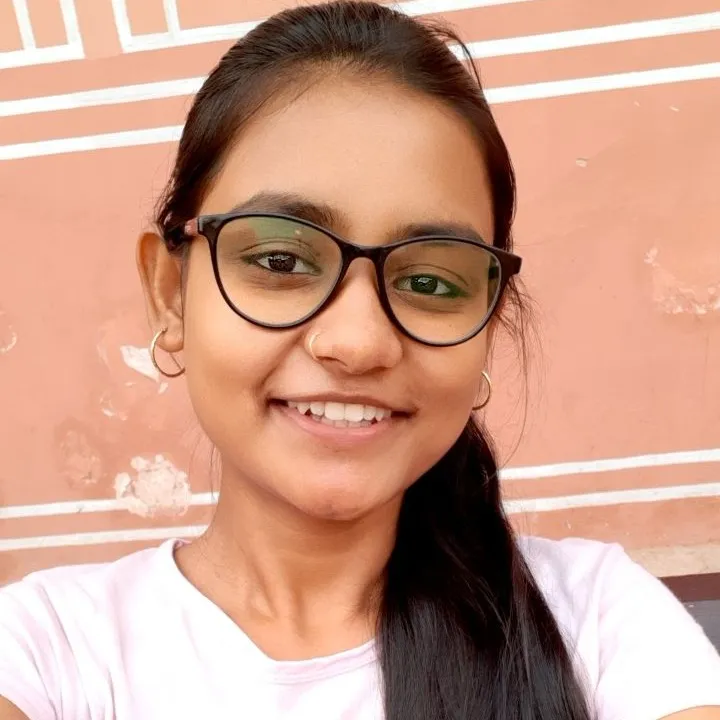

Divya Karna
Kolkata/Online
Skills
About
Divya Karna is an online Biology tutor with strong academic expertise and 1 year of teaching experience. She is currently an Integrated PhD Scholar at the Indian Association for th...
Divya Karna is an online Biology tutor with strong academic expertise and 1 year of teaching experience. She is currently an Integrated PhD Scholar at the Indian Association for the Cultivation of Science (IACS), Kolkata, one of India’s most prestigious research institutes. Divya combines deep subject knowledge with a clear, student-friendly teaching style, helping learners build strong foundations in advanced Biology topics.Qualifications SummaryMasters DegreeB.ComDiploma HolderHer strong academic training and ongoing PhD research give her a deep understanding of biological concepts at the molecular and cellular level.Experience OverviewDivya has 1 year of teaching experience, guiding students through school-level Biology, NEET preparation, and advanced international curricula such as A-Level and H2 Biology. She focuses on simplifying complex concepts, making high-level Biology easy to understand for students at all levels.Subjects TaughtDivya specializes in the following subjects:Cell and Molecular BiologyCBSE BiologyH2 BiologyA Level BiologyA & AS Level BiologyNEET BiologyTeaching LanguagesHindiEnglishTeaching ApproachDivya’s teaching method is scientific, structured, and exam-focused, designed to help students succeed in competitive and board exams. Her approach includes:Concept clarity through simple explanationsDiagrams, scientific illustrations, and flowchartsFocus on NCERT for NEET preparationTopic-wise practice questionsDoubt-solving and revision sessionsConnecting Biology concepts with real research examples from her PhD workHer classes help students understand the "why" behind Biology, not just the "what."Mode of Teaching (100% Online – India-wide Reach)Divya teaches exclusively online, making her classes available to students across India and abroad. Whether you’re preparing for NEET, CBSE exams, or international boards like A-Level and H2, her online sessions provide flexible, high-quality learning.Address & LocalityBased in: Kolkata(Online mode – teaches students across India)Why Students Should Learn from Divya KarnaIntegrated PhD Scholar at IACS KolkataStrong expertise in advanced Biology & NEET-level conceptsClear, student-friendly explanationsTeaches international curricula like A-Level & H2 BiologyResearch-driven teaching approachFocus on concepts, applications & scoring techniquesSupportive and approachable teaching styleIdeal for school students, NEET aspirants, and advanced Biology learners
Divya Karna
Kolkata/Online
Skills :
Divya Karna is an online Biology tutor with strong academic expertise and 1 year of teaching experience. She is currently an Integrated PhD Scholar at the Indian Association for th...
Divya Karna is an online Biology tutor with strong academic expertise and 1 year of teaching experience. She is currently an Integrated PhD Scholar at the Indian Association for the Cultivation of Science (IACS), Kolkata, one of India’s most prestigious research institutes. Divya combines deep subject knowledge with a clear, student-friendly teaching style, helping learners build strong foundations in advanced Biology topics.Qualifications SummaryMasters DegreeB.ComDiploma HolderHer strong academic training and ongoing PhD research give her a deep understanding of biological concepts at the molecular and cellular level.Experience OverviewDivya has 1 year of teaching experience, guiding students through school-level Biology, NEET preparation, and advanced international curricula such as A-Level and H2 Biology. She focuses on simplifying complex concepts, making high-level Biology easy to understand for students at all levels.Subjects TaughtDivya specializes in the following subjects:Cell and Molecular BiologyCBSE BiologyH2 BiologyA Level BiologyA & AS Level BiologyNEET BiologyTeaching LanguagesHindiEnglishTeaching ApproachDivya’s teaching method is scientific, structured, and exam-focused, designed to help students succeed in competitive and board exams. Her approach includes:Concept clarity through simple explanationsDiagrams, scientific illustrations, and flowchartsFocus on NCERT for NEET preparationTopic-wise practice questionsDoubt-solving and revision sessionsConnecting Biology concepts with real research examples from her PhD workHer classes help students understand the "why" behind Biology, not just the "what."Mode of Teaching (100% Online – India-wide Reach)Divya teaches exclusively online, making her classes available to students across India and abroad. Whether you’re preparing for NEET, CBSE exams, or international boards like A-Level and H2, her online sessions provide flexible, high-quality learning.Address & LocalityBased in: Kolkata(Online mode – teaches students across India)Why Students Should Learn from Divya KarnaIntegrated PhD Scholar at IACS KolkataStrong expertise in advanced Biology & NEET-level conceptsClear, student-friendly explanationsTeaches international curricula like A-Level & H2 BiologyResearch-driven teaching approachFocus on concepts, applications & scoring techniquesSupportive and approachable teaching styleIdeal for school students, NEET aspirants, and advanced Biology learners
FindMyGuru is a tutor discovery platform that helps students find and connect with experienced tutors and institutes across a wide range of subjects and skills. Students can explore tutor profiles, compare expertise, and contact tutors directly for online or in-person learning.FindMyGuru facilitates discovery and connections between students and tutors or institutes. All classes and learning arrangements are handled directly between students and the respective tutors or institutes
Courses by: Divya Karna
Cell Biology Course for NEET & Class 11–12 CBSE by Divya Karna
Cell Biology often becomes challenging because it requires visual imagination, conceptual depth, and an understanding of microscopic processes. This course simplifies these complex topics by using clear explanations, structured notes, and exam-oriented teaching.
Divya Karna teaches every topic from the ground up, making it suitable for:
Class 6 to 10 students
Class 11–12 CBSE Biology students needing complete clarity in cell biology chapters
A Level / AS Level / H2 Biology learners requiring analytical and application-based understanding
🔹 What Students Will Learn
1. Basics of Cell Structure
Introduction to the cell as the fundamental unit of life
Differences between prokaryotic and eukaryotic cells
Structural differences and evolutionary significance
2. Cell Organelles
Detailed study of:
Nucleus
Mitochondria
Endoplasmic Reticulum
Golgi Apparatus
Lysosomes & Peroxisomes
Ribosomes
Cytoskeleton & Motor proteins
Plasma membrane structure and functions
With explanations focused on functions, diagrams, mechanisms, and exam-relevant facts.
3. Introduction to Biomolecules
Carbohydrates, proteins, lipids, nucleic acids
Structure–function relationships
Enzymes and metabolic pathways
4. Cell Cycle & Cell Division
Phases of the cell cycle
Regulation of checkpoints
Mitosis & Meiosis (stepwise explanation with diagrams)
Importance in growth, reproduction
5. Cell Death Pathways
Apoptosis: meaning, mechanism, role in immunity
Autophagy: self-eating pathways, cellular recycling
Difference between programmed cell death and necrosis
6. Cell Signalling & Communication
Signalling molecules
Receptors: GPCR, RTK, ion channels
Second messengers
Signal transduction pathways and amplification
Importance in diseases
7. Introduction to Cancer Biology
Basics of oncogenes and tumor suppressor genes
Uncontrolled cell division
Role of mutations and environmental factors
This gives students an accessible introduction to the molecular basis of cancer, helpful for advanced biology preparation.
🔹 Teaching Method (Online Mode)
Divya Karna’s online teaching style is structured, visual, and highly interactive:
Live online classes with real-time explanations
Use of diagrams, flowcharts, animations, and examples
Regular doubt-clearing sessions
Short notes for quick revision
Concept reinforcement through quizzes and practice modules
The sessions are learner-friendly, making complex cellular processes easy to understand and remember.
🔹 Why Learn from Divya Karna
Divya brings clear, student-focused teaching specially designed for Biology learners. Her strengths include:
Simplifying difficult molecular mechanisms
Connecting concepts to NEET exam patterns
Providing structured notes for quick recall
Ensuring smooth progression from basics to advanced topics
Her approach helps students gain confidence, accuracy, and deeper interest in biology.
🔹 Benefits / Learning Outcomes
By the end of this course, students will:
Understand all fundamental concepts of cell biology
Build a strong NEET and board-level foundation
Improve diagram-based answering skills
Master molecular-level processes with clarity
Strengthen problem-solving for competitive exams
Gain better retention through conceptual learning
Molecular Biology for A Level & AS Biology by Divya Karna
By the end of this course, students will be able to:
Understand the molecular organization of genes and genomes
Explain DNA replication, repair, transcription, and translation mechanisms
Compare molecular processes in prokaryotes and eukaryotes
Interpret genetic codes and gene expression regulation
Apply molecular biology concepts effectively in exams
Detailed Course Content
1. Gene and Genomic Organization
Structure of genes
Genome organization in prokaryotes vs eukaryotes
Coding and non-coding DNA
Functional elements of the genome
2. DNA Replication
Semi-conservative replication model
Enzymes involved in replication
Leading and lagging strand synthesis
Differences between prokaryotic and eukaryotic replication
3. DNA Repair Mechanisms
DNA damage and mutation types
Repair mechanisms in prokaryotes
DNA repair pathways in eukaryotes
Biological significance of DNA repair
4. Transcription
Transcription process in prokaryotes
Transcription process in eukaryotes
RNA polymerase and transcription factors
Post-transcriptional modifications
5. Translation in Prokaryotes
Ribosome structure and function
Initiation, elongation, and termination
Role of tRNA and mRNA
Protein synthesis overview
6. Genetic Code
Features of the genetic code
Codons and amino acids
Start and stop codons
Universality and degeneracy
7. Regulation of Gene Expression
Gene regulation in prokaryotes (operon concept)
Regulation in eukaryotes
Importance of gene expression control
Environmental and developmental regulation
Teaching Method (Online Mode)
Live interactive online sessions
Conceptual explanations with diagrams and flowcharts
Comparative tables (prokaryotes vs eukaryotes)
Exam-focused discussions and biological terminology
Regular doubt-clearing and revision support
Who Should Enroll in This Course?
A Level Biology students
AS Biology students
Learners struggling with molecular biology concepts
Students aiming for strong conceptual clarity for exams
Biology students preparing for advanced studies
Why Learn from Divya Karna?
Divya Karna emphasizes conceptual understanding over rote learning, helping students visualize and logically connect molecular processes. The teaching approach ensures students can explain mechanisms clearly, write structured answers, and score confidently in exams.
Learning Outcomes
After completing the course, students will:
Confidently explain molecular biology processes
Differentiate between prokaryotic and eukaryotic mechanisms
Write clear, structured exam answers
Apply molecular concepts to higher biology topics
Build a strong foundation for advanced biological sciences